The evolution of Teamfight Tactics and the need for a new technological base
Since its debut, TFT has undergone several transformations. New sets of champions, new mechanics, events, cosmetics and interface improvements have made the game evolve far beyond its initial version.
However, maintaining a competitive game for many years presents technical challenges. Systems created for a certain framework can limit development speed, animation quality, visual customization and the implementation of new ideas.
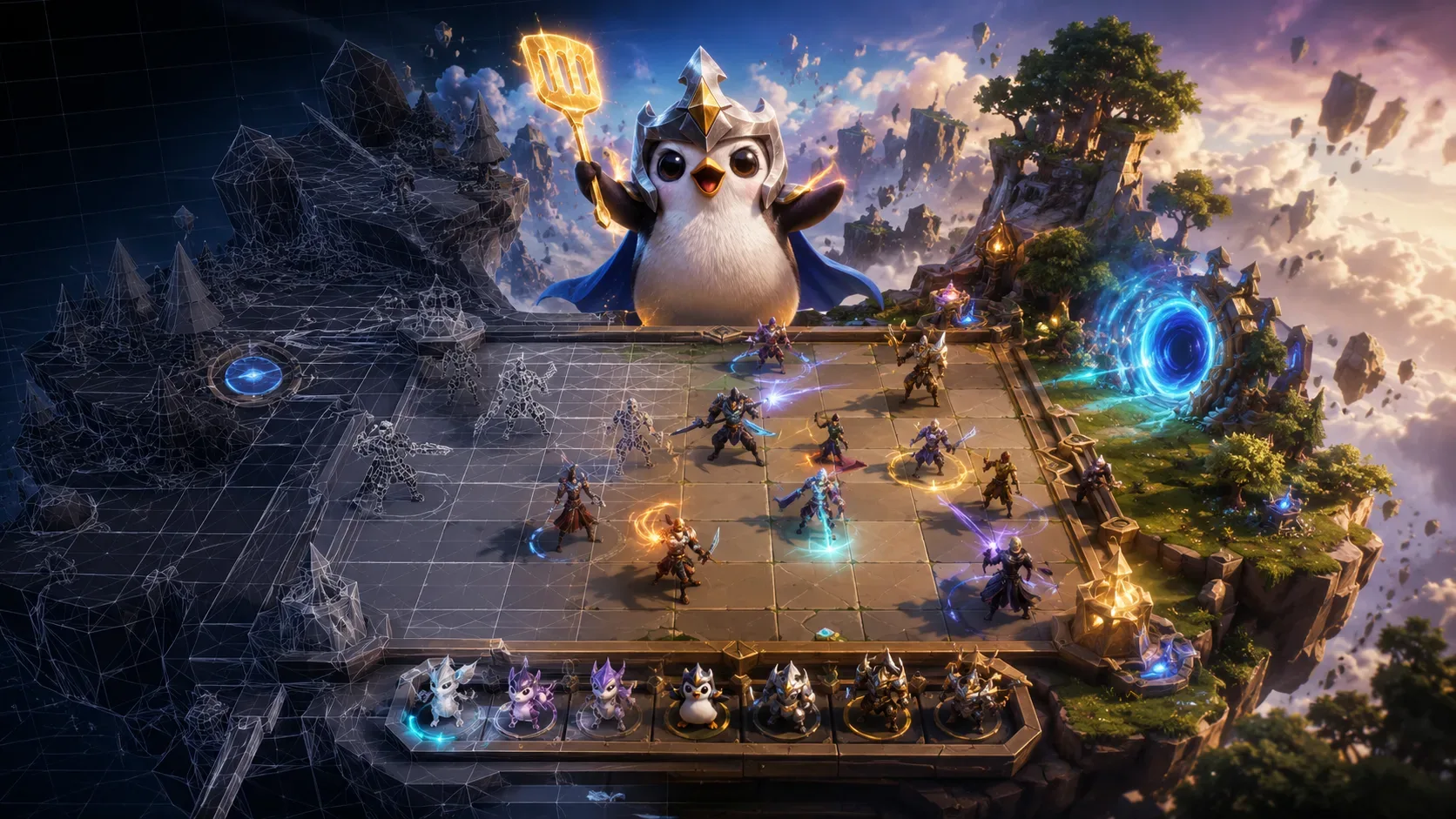
A rebuild on a more modern engine, like the Unreal Engine, represents an opportunity to revamp the game's infrastructure and prepare the title for a new decade of updates.
What Unreal Engine can bring to the future of TFT
The Unreal Engine is among the most widely used graphics engines in the modern gaming industry, being used in independent productions and major AAA titles.
A possible new version of TFT in this technology could allow:
More detailed and expressive graphics
Unreal offers advanced lighting, particle, material, and animation tools. This could result in livelier arenas, more impactful skill effects, and more detailed characters.
Greater creative freedom for events and game modes
With more flexible technology, the development team could create more complex scenarios, more elaborate temporary experiences, and interactive elements that may currently be more difficult to implement.
UI and user experience improvements
A new framework could also facilitate interface changes, more dynamic menus, customization systems, and improved social features.
Community expectations
A major technological change typically generates excitement among gamers.
Among the community's main wishes are:
- A significant visual evolution without losing the clarity necessary for competitive;
- More fluid animations;
- More detailed arenas;
- New visual effects for Little Legends and champions;
- Greater ease for Riot Games to create innovative content.
For many players, a rework of this scale represents an opportunity for TFT to further distance itself from its origins as a mode within League of Legends and consolidate itself as its own platform.
The main controversies and concerns of players
The fear of losing performance on older computers
One of the biggest concerns involves hardware requirements.
TFT has a large player base that uses more modest computers and mobile devices. A very large graphical jump could create access barriers if optimization is not treated as a priority.
The industry has numerous examples of remasters and engine changes that required a delicate balance between visual quality and accessibility.
The preservation of TFT's visual identity
Another point discussed is the artistic direction.
More realistic graphics don't always mean a better experience. TFT's colorful, readable, and stylized style is one of the reasons the game works well in competitive play.
Riot's main mission would be to modernize the game without transforming its identity.
The risk of launch problems
Profound technology changes often involve challenges.
Bugs, compatibility issues, lost configurations, interface changes, and performance failures are common risks in major technical rebuilds.
For this reason, an extensive testing phase and community feedback would be critical to a safe transition.
The strategic impact for Riot Games
If the change is executed well, the rework can represent more than a visual improvement.
In the long term, a new engine could reduce technical limitations, speed up content creation, and allow TFT to remain competitive in a market where players expect frequent updates and increasingly sophisticated experiences.
It would also be an important step in transforming TFT into an even more independent product within the Riot Games ecosystem.
The industry's tendency to modernize long-running games
Games as a service need to constantly reinvent themselves.
Titles that remain active for many years often undergo system rebuilds, interface changes, graphical updates, and infrastructure improvements to maintain their relevance.
A technological evolution of TFT would follow this same logic: not only improve the present, but create a base capable of sustaining the franchise's coming years.
Conclusion
A rework of Teamfight Tactics on the Unreal Engine could represent a new era for the game. The possibility of more advanced graphics, modern development tools and greater creative freedom sparks great enthusiasm in the community.
At the same time, the success of the transition will depend on the ability to balance innovation and identity, delivering a more visually impressive game without sacrificing performance, accessibility and competitive clarity.
If executed well, the project could mark one of the most important moments in TFT history, preparing the game to remain relevant for many years to come.